

How do you prepare your home for siding installation?
Installing new siding is an excellent way to improve your home’s appearance, increase energy efficiency, and protect your property from the elements. But a successful siding installation begins long before the first panel is put in place. Proper preparation helps prevent delays, reduces the risk of damage, and ensures a high-quality outcome that lasts for decades.
Whether you live in Lansing, Hillsdale, Battle Creek, or Jackson, here’s how to prepare your home effectively for siding installation.
1. Clear the Work Area
Before installation begins, make sure the perimeter of your home is free of obstacles. This allows the siding team to work safely and efficiently.
What to remove or relocate:
- Patio furniture
- Grills
- Toys, bikes, sports equipment
- Potted plants
- Garden décor or lawn items
If you have shrubs or landscaping close to the home, gently trim them back or tie them away from the siding so crews can access the walls without causing damage.
2. Clean the Exterior Walls
Siding cannot be installed over dirt, debris, or deteriorating material. The walls must be clean and in good condition.
If you hire a professional siding contractor, they will take care of this step. However, if you’re preparing the walls yourself:
- Remove old siding (vinyl, wood, aluminum, etc.)
- Power wash the exterior walls to eliminate dirt, mold, and buildup
- Scrub areas that need additional attention
Proper cleaning ensures that the new siding lays flat and adheres correctly.
3. Repair Structural or Surface Damage
Before the siding is installed, any underlying issues must be fixed. Covering existing damage can lead to long-term problems and may void warranties.
Inspect the exterior walls for:
- Rotting or softened wood
- Holes or cracks
- Pest damage
- Water infiltration issues
If the wall’s structural integrity is compromised, replacing or reinforcing the damaged sections is essential before siding installation begins.
4. Check and Upgrade Insulation
Siding installation offers a perfect opportunity to improve your home’s insulation. Better insulation can reduce energy loss, lower utility bills, and improve indoor comfort especially during Michigan’s cold winters and humid summers.
Consider:
- Adding new insulation between wall studs
- Upgrading to insulated siding panels
- Sealing gaps and air leaks
5. Ensure Proper Ventilation
Proper airflow behind siding is crucial for preventing moisture buildup, mold growth, and wood rot. Before installation, check ventilation pathways such as:
- Attic vents
- Crawl space vents
- Soffit and ridge ventilation
If ventilation is blocked or insufficient, your siding contractor may recommend improvements to ensure the new siding performs as intended.
6. Hire a Professional Siding Contractor
While DIY siding installation is possible, it’s often not worth the risk. Siding requires precise measurements, specialty tools, and experience to ensure a durable, weather-resistant installation.
Benefits of hiring a professional like CS Roofing Company:
- Expert preparation and installation
- Proper disposal of old materials
- Warranty-backed workmanship
- Efficient project timelines
- Ability to spot and repair hidden issues
Conclusion
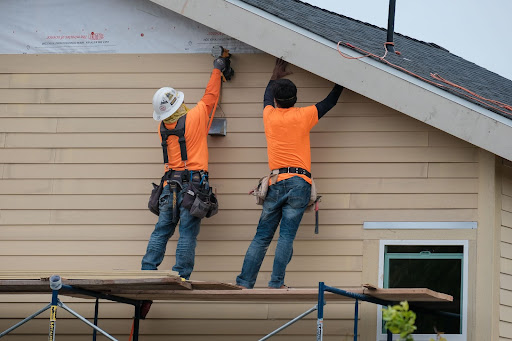
Preparing your home for siding installation is one of the most important steps in ensuring a smooth, long-lasting project. By clearing the work area, cleaning the walls, repairing damage, improving insulation and ventilation, and hiring a qualified siding contractor, you set your home up for success.
At CS Roofing Company, we provide top-quality siding installation and repair services across:
Ready to enhance your home with beautiful, durable new siding?

Ready for a roof you can trust?
Call us today for getting started! 1‑855‑FIX‑ROOF (1‑855‑349‑7663)
Tags: